
TRAVEL & RECOVERY
Why You're Jetlagged — It's Not Sleep. It's Mineral Loss.

By Jamie Reeves
Updated: May 2026
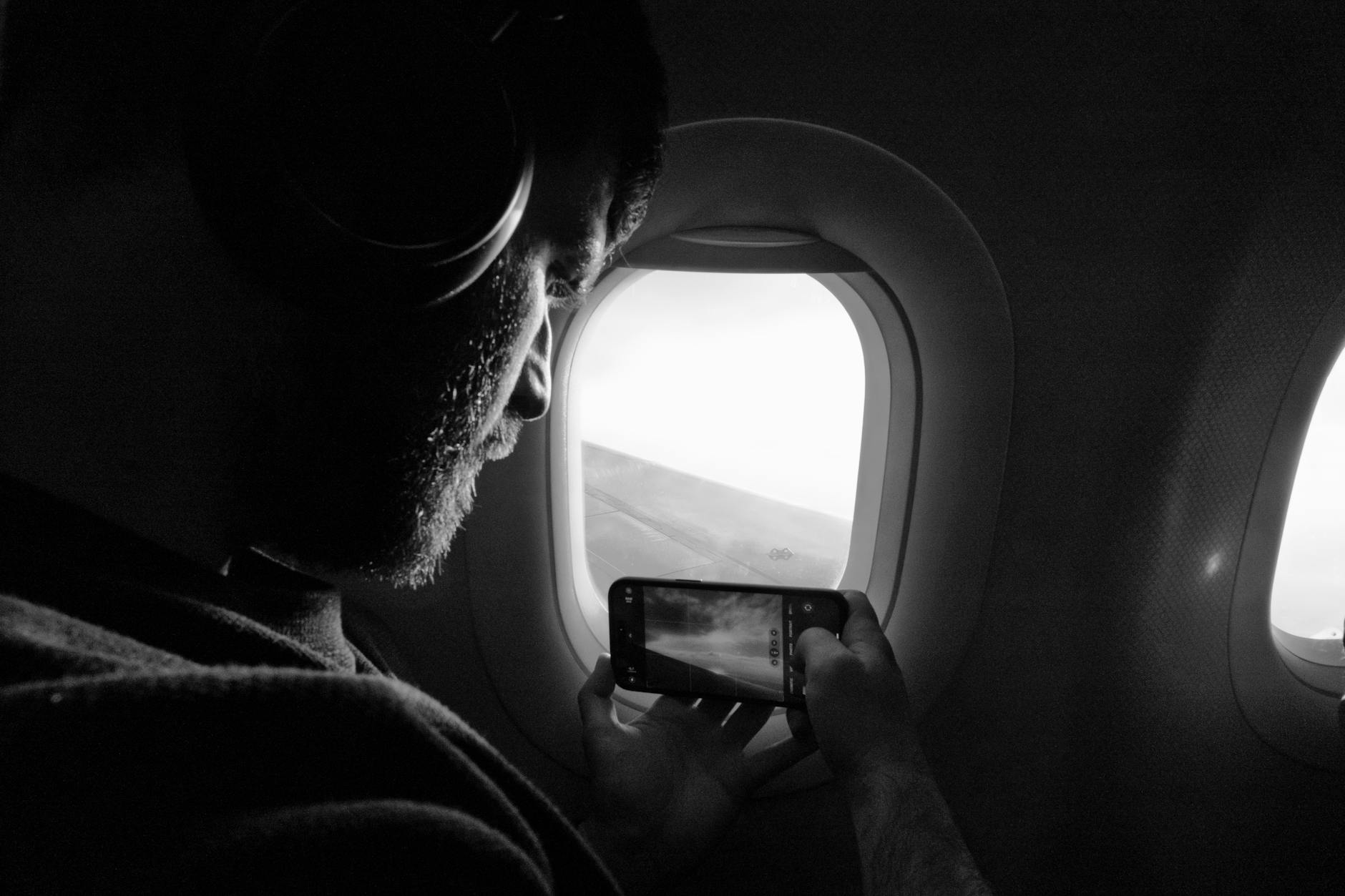
I flew from JFK to Heathrow last March on a red-eye, did the airport-to-meeting thing, and crashed at my hotel at 3pm local time. I woke up at 11pm wide awake, ate an English breakfast at midnight from room service, and accepted that the next four days would be a wash. This is what jet lag does, I told myself. Add it to the cost of doing business.
Six weeks later I flew the same route. Same red-eye. Same time zone shift. Same itinerary. The only thing I changed was what I drank on the plane and the morning after. I felt like a normal human by the second day instead of the fourth.
Here’s what I’d missed for years: jet lag isn’t really a sleep problem. It’s a mineral problem the airline industry has trained you to call a sleep problem.
Most people assume jet lag is about your circadian rhythm. The advice you’ve heard a hundred times: “fast on the plane, get sunlight, take melatonin.” Those are real interventions and they help. But they don’t fix the bigger thing that’s actually wrecking you on landing.
But the data tells a different story. Cabin air at cruising altitude is roughly 10-20% humidity — about a quarter of what your body is used to on the ground. Over a 6-8 hour flight, you’re losing significant water, sodium, and minerals through respiration alone, before the time-zone shift starts. By the time you land, you’re not just sleep-shifted. You’re meaningfully dehydrated and mineral-depleted. The exhaustion you blame on time zones is mostly that.
Here’s what’s actually happening:
-
Cabin air is dramatically dryer than ground air. Your respiration loses water at roughly twice the normal rate.
-
Over a transatlantic flight, that’s 1-2 liters of fluid lost — and with it, sodium, potassium, and magnesium.
-
Pressurized cabins also reduce blood oxygen saturation slightly, which makes you feel tired in a way that mimics sleep deprivation.
-
You land mineral-depleted, mildly hypoxic, and time-shifted — and you assign all of it to “jet lag.”
-
The “jet lag” lasts as long as it takes your body to rebuild the mineral baseline, which (without intervention) is usually 2-4 days.
Translation: when you fix the mineral loss aggressively in the first 24 hours after landing, the “jet lag” recovery cuts in half — sometimes more.
So when you reach for more sleep or more melatonin or another caffeine fix, you’re treating one symptom while the underlying depletion is still running. The fix isn’t a different sleep aid. The fix is restoring the sodium, potassium, magnesium, and B-vitamins your body burned through at altitude — fast — and then letting circadian recovery happen on top of a body that’s actually fueled.
What you need is something that delivers a real mineral dose, fits in your carry-on, doesn’t require a fridge, and works in airport-bottle water. Honestly, most “travel hydration” products are either glorified flavored sugar water (Liquid I.V., Gatorade powder) or so salt-heavy you can’t drink them comfortably (LMNT).
The one I keep coming back to is VitaWild.

VitaWild – Daily Fast Hydration
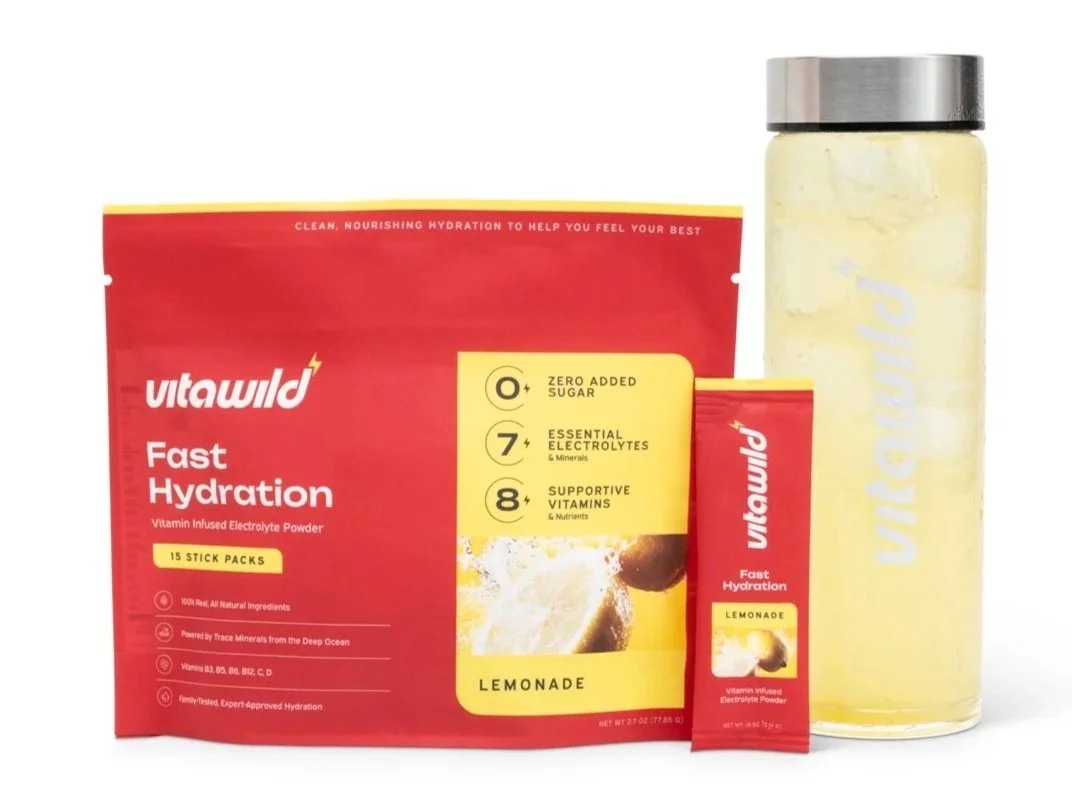
The reason VitaWild has earned a permanent slot in my carry-on is that it solves the in-flight problem and the morning-after problem in the same product. I throw four sticks in my dopp kit (one for the plane, three for the next 48 hours on the ground), and that's the whole travel hydration plan.
The spec that matters for travel specifically:
2,145mg of essential electrolytes per stick — enough to actually replace what 6+ hours of cabin air took out of me
75mg Magnesium Citrate — the mineral most depleted by altitude and stress, and the one that affects circadian recovery directly
B6 and B12 — energy cofactors that help with the post-flight grogginess that isn't really about sleep
2,400 IU Vitamin D3 — useful for resetting circadian rhythm if you're flying east and need to anchor a new sunrise
Zero sugar — which matters because the last thing your post-flight body needs is an insulin spike on top of jet lag
Stick pack format — TSA-friendly, no liquid, mixes with any bottled water
My in-flight protocol now: one stick during the flight (between meal service and landing), one stick within the first hour of landing, one in the morning, one mid-day. By day two of a transatlantic trip, I'm functional. By day three, I'm normal.
Taste: Rated 9/10
- Light enough to drink in the dry cabin air without the salty-sports-drink fatigue. Lightning Lemonade is the one I keep traveling with.
Electrolyte & Mineral Content: Rated 10/10
- A real, complete mineral dose. The Magnesium Citrate is the form most people are missing and the one that makes the biggest post-flight difference.
Ingredients: Rated 10/10
- No fillers, no artificial flavors, no sucralose. Travel-friendly, daily-friendly, body-friendly.
Sweeteners: Rated 9/10
- Zero added sugar, which is exactly what you want post-flight. The 9 instead of a 10 is just because stevia is divisive.
Hydration Authority Says: The cleanest, most complete travel hydration product I've tested. Solves the in-flight depletion *and* the post-landing recovery in one stick pack. Now permanently in my carry-on.
At the time of writing, VitaWild was offering up to 55% off your first purchase + a free gift
What About Just Drinking More Water On The Plane?
You should — but plain water doesn't replace the minerals you're losing. It only replaces fluid volume. If you've ever noticed that pounding water on a long flight doesn't actually make you feel less wrecked on landing, this is why. The mineral piece is the half nobody tells you about.
What About Melatonin?
Useful for resetting your circadian rhythm — especially flying east. But melatonin doesn't fix the mineral depletion. It just helps you fall asleep on the new schedule. Pair the two: minerals on the plane and after, melatonin on the first night to anchor the new time zone. You're using each tool for the right job.
What About Liquid I.V. for Travel?
The sodium content is genuinely useful. The 11g of sugar is the issue. On a long flight, the last thing you want is an insulin spike that crashes you mid-air. Sugar-free formulations work better for this specific use case.
The Travel Protocol
For anyone who wants to actually try this on the next long flight, here's the routine:
Pre-flight (gate): Big glass of water. No caffeine within an hour of takeoff (it'll work against you for the next eight).
In-flight (mid-flight): One stick of mineral mix in 16-20oz of water. Sip over an hour.
Post-landing (within 60 min): Another stick. Big glass of water with it.
Day 1 morning: Stick + sunlight within 30 minutes of waking. The light is the circadian anchor; the minerals are the recovery.
Day 1 mid-day: Stick + a real meal.
Day 2: Normal routine. You'll feel almost normal.
Total cost: four sticks. Total time: zero added to your day. The difference between this and "just toughing it out" is roughly 36 hours of recovery time saved per long flight.
Conclusion:
Why VitaWild Is the Travel Drink That Actually Works
The "jet lag" framing has trained an entire generation of frequent flyers to assume the post-flight wreckage is unfixable — just the cost of crossing time zones. It isn't. A meaningful chunk of what we call jet lag is mineral depletion that happens during the flight, before the circadian shift even starts. Fix the depletion, and the time-zone recovery happens on a body that has the resources to actually shift.
That's exactly why VitaWild earns its spot in my carry-on.
It's clean, complete, TSA-friendly, and built for the exact mineral profile flights deplete fastest. Sodium and potassium for the cellular hydration the dry cabin took out of you. Magnesium Citrate for the cofactor your nervous system needs to settle into a new schedule. B6 and B12 for the energy that isn't masked stimulant. Vitamin D3 for the circadian anchoring. All in a stick pack that fits in a passport sleeve.
If you fly internationally more than a few times a year, the cheapest, fastest jet lag intervention you can run is fixing the mineral depletion the cabin air caused. Not more melatonin. Not more sleep. Not more coffee. Just the minerals your body needed and didn't get during the flight.
I won't fly transatlantic without four sticks of this in my dopp kit anymore. The recovery time difference is too big to leave to chance.
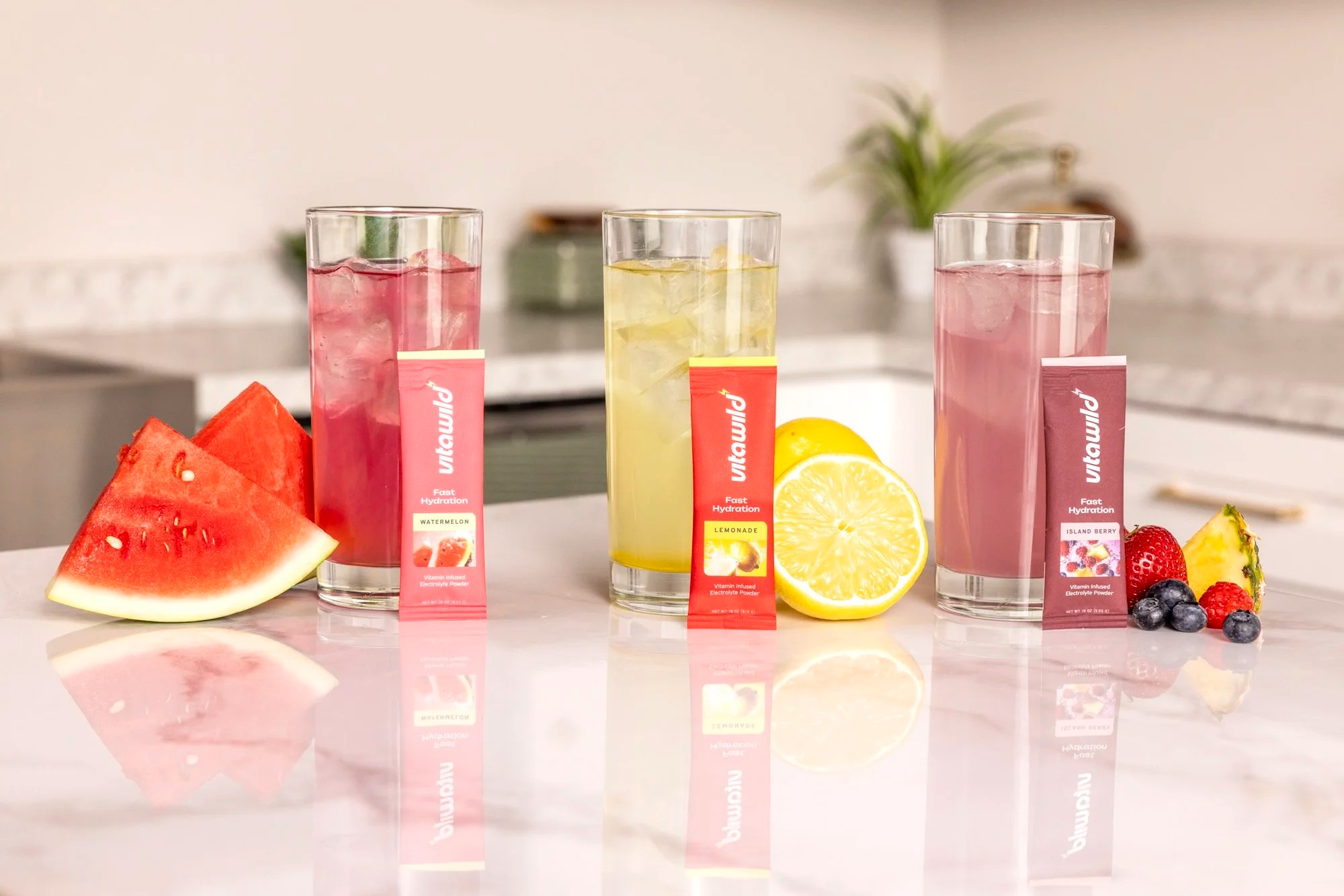
Our #1 Choice for Travel & Jet Lag Recovery
A clean, premium daily blend with the full mineral and vitamin stack flights deplete fastest. TSA-friendly stick packs. The travel routine that cuts post-flight recovery time in half.
Shop Now